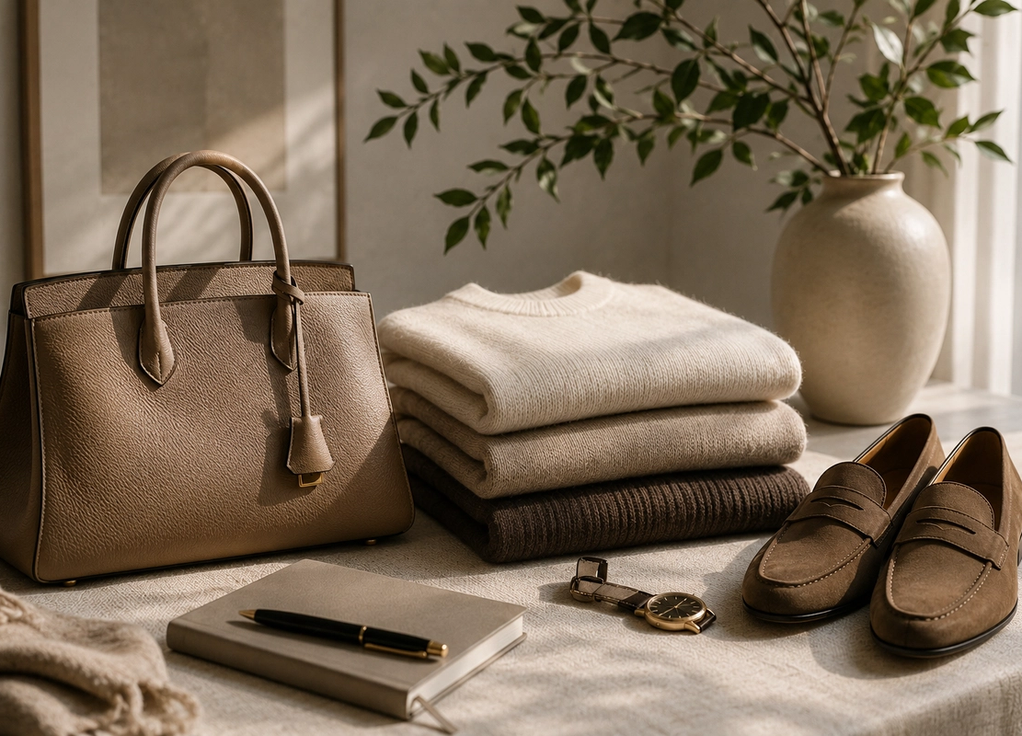
The Quiet Luxury Trend That’s Changing How People Spend
By
Enzo Hinton
July 21, 2026
Latest
For years, luxury was easy to recognize.
Designer logos were displayed prominently on handbags, clothing, shoes, and accessories. Expensive purchases were often intended to signal success, status, or wealth. The more recognizable the brand, the greater the perceived prestige.
Recently, however, a different trend has emerged.
Known as “quiet luxury,” this approach emphasizes quality over visibility. Instead of flashy logos and obvious status symbols, quiet luxury focuses on timeless design, craftsmanship, durability, and understated elegance. The goal is not necessarily to appear wealthy but to invest in products that offer long-term value and refined simplicity.
While the trend is often associated with fashion, its influence extends far beyond clothing. It is reshaping how many people think about spending, consumption, and the relationship between money and status.
What exactly is quiet luxury?
At its core, quiet luxury is about subtlety.
Rather than purchasing items because they are instantly recognizable, people are increasingly drawn to products that prioritize quality materials, thoughtful design, and longevity. These items may still be expensive, but they don’t rely on prominent branding to communicate their value.
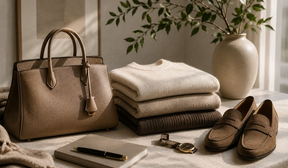
A cashmere sweater without a visible logo, a well-tailored coat, a classic leather bag, or a beautifully crafted piece of furniture can all fit within the quiet luxury aesthetic.
The emphasis shifts from showing wealth to appreciating quality.
For many consumers, that distinction feels increasingly appealing.
Why the trend became popular
Several factors have contributed to the rise of quiet luxury.
Social media played an unexpected role. After years of influencer culture focused on visible consumption and luxury branding, some consumers began seeking an alternative. The constant pressure to display success online created fatigue, and understated elegance started to feel refreshing.
At the same time, economic uncertainty encouraged many people to think more carefully about spending. Rather than purchasing multiple trendy items each year, consumers became more interested in buying fewer, higher-quality pieces that would last longer.
The trend also reflects a broader shift toward intentional consumption.
People increasingly want purchases to feel worthwhile, not just impressive.
It prioritizes quality over quantity
One of the defining characteristics of quiet luxury is the focus on owning less but choosing better.
Instead of regularly replacing items because they go out of style, consumers invest in products designed to remain useful and attractive for years. Durability becomes a priority.
This approach often leads to a more thoughtful relationship with consumption. Before making a purchase, people may ask:
- Will I still use this in five years?
- Is it well made?
- Does it fit my lifestyle?
- Is the quality worth the price?
These questions encourage long-term thinking rather than impulse buying.
The result is often fewer purchases and greater satisfaction with the ones that are made.
The influence goes beyond fashion
Although fashion introduced many people to the concept, quiet luxury has expanded into other areas of life.
Home design increasingly favors timeless materials and minimalist aesthetics over highly trend-driven decor. Travel choices often emphasize meaningful experiences rather than social media appeal. Even technology purchases are being approached with a greater focus on utility and longevity.
In many ways, quiet luxury has become less about products and more about a mindset.
It’s about valuing substance over display.
The same philosophy can influence how people spend money across multiple categories.
The psychology behind quiet luxury
Part of the appeal lies in what quiet luxury represents.
Traditional status symbols often rely on external validation. They communicate success to other people. Quiet luxury, by contrast, tends to be more personal. The satisfaction comes from knowing something is well made, comfortable, useful, or beautiful, even if nobody else notices.
This shift reflects a broader change in how some consumers define success.
Rather than seeking approval through visible consumption, they prioritize personal enjoyment, quality, and authenticity.
The purchase becomes less about impressing others and more about serving their own preferences.
It’s not always about spending more
One misconception about quiet luxury is that it requires a large budget.
While some products associated with the trend are expensive, the underlying principle is not necessarily about buying luxury goods. It’s about making intentional purchasing decisions.
Someone might embrace quiet luxury by:
- Buying fewer items overall
- Choosing quality over trends
- Repairing products instead of replacing them
- Investing in versatile wardrobe staples
- Prioritizing craftsmanship and durability
The mindset can be applied at many different price points.
The focus is on value rather than excess.
A reaction against fast consumption
In some ways, quiet luxury can be seen as a response to fast fashion, constant trend cycles, and the pressure to keep buying new things.
Consumers are becoming more aware of how quickly trends change and how easily social media encourages unnecessary purchases. As a result, many are moving toward a slower, more deliberate approach to consumption.
This doesn’t mean rejecting fashion or luxury altogether. It means becoming more selective.
Instead of chasing every trend, people are choosing pieces and experiences that align with their long-term preferences.
That shift can be both financially and personally rewarding.
A new way of thinking about value
The popularity of quiet luxury suggests that attitudes toward spending may be changing.
For many people, luxury is no longer defined solely by price tags or brand recognition. Instead, it is increasingly associated with quality, longevity, craftsmanship, and thoughtful consumption.
Whether expressed through fashion, home design, travel, or everyday purchases, the trend encourages people to buy with intention rather than impulse.
In a world that often rewards visibility, quiet luxury offers a different perspective.
One that suggests the most valuable things don’t always need to announce themselves.
And perhaps that’s exactly why the trend continues to resonate with so many people.