How to Write a Resume That Stands Out
By
Karson Felix
July 21, 2026
Latest
Your resume is often your first opportunity to make an impression on a potential employer.
Before an interview, before a phone call, and sometimes before a recruiter even learns your name, your resume is what determines whether you move forward in the hiring process. Unfortunately, many resumes are overlooked because they are too generic, difficult to read, or fail to clearly communicate the value a candidate can offer.
The good news is that writing a strong resume isn’t about using fancy language or designing an elaborate document. It’s about presenting your skills, experience, and achievements in a way that is clear, relevant, and easy for employers to understand.
A well-crafted resume won’t guarantee a job offer, but it can significantly improve your chances of getting noticed.
Start with a clear and professional structure
Hiring managers often spend only a few seconds reviewing a resume before deciding whether to continue reading.
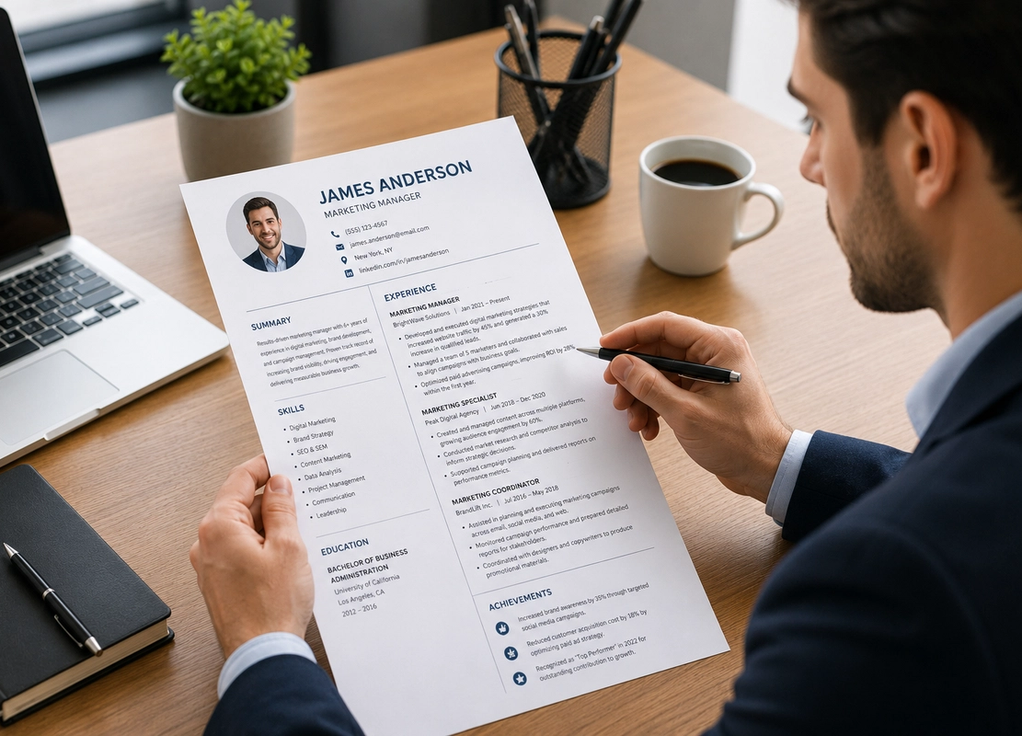
For that reason, clarity matters. Use a clean layout with clearly labeled sections, consistent formatting, and readable fonts. Employers should be able to quickly identify your contact information, work experience, education, and skills.
Avoid cluttered designs, excessive colors, and complicated formatting that may distract from the content. While creativity can be appropriate in some industries, readability should always come first.
A resume that is easy to scan is more likely to hold a recruiter’s attention.
Focus on achievements, not just responsibilities
One of the most common resume mistakes is simply listing job duties.
Employers are usually less interested in what your role required and more interested in what you accomplished. Instead of describing tasks, highlight results whenever possible.
For example, rather than writing:
“Managed social media accounts.”
Consider:
“Grew social media engagement by 35% over six months through targeted content strategies.”
Specific achievements help employers understand the impact of your work. Numbers, percentages, and measurable outcomes make your experience more convincing and memorable.
Results tell a stronger story than responsibilities alone.
Tailor your resume to the job
Many job seekers use the same resume for every application.
While this may save time, it often reduces effectiveness. Different employers prioritize different skills, experiences, and qualifications. Reviewing the job description and adjusting your resume accordingly can significantly improve your chances of getting an interview.
This doesn’t mean rewriting the entire document for every application. Instead, emphasize the experiences and skills that are most relevant to the position you’re seeking.
A tailored resume demonstrates that you understand the role and have taken the time to present yourself thoughtfully.
Use strong action verbs
The language you use can influence how your experience is perceived.
Strong action verbs help communicate initiative, leadership, and results. Words such as:
- Led
- Developed
- Improved
- Implemented
- Created
- Managed
- Coordinated
- Increased
- Achieved
can make descriptions more dynamic and impactful.
Weak or passive language often makes accomplishments appear less significant than they actually are.
The goal is not to exaggerate your experience but to communicate it clearly and confidently.
Keep it concise
A resume is not your life story.
Many hiring managers prefer concise resumes that focus on the most relevant information. Including every job, project, or responsibility you’ve ever had can make the document difficult to read.
Prioritize experiences that demonstrate skills and accomplishments relevant to the position you’re applying for. Remove outdated information, repetitive details, and content that doesn’t strengthen your application.
A focused resume is often more effective than a lengthy one.
Remember that the goal is to secure an interview, not explain every detail of your career.
Highlight relevant skills
Skills remain an important part of most resumes, particularly when employers use applicant tracking systems to screen candidates.
Include both technical skills and transferable skills where appropriate. Examples may include:
- Project management
- Data analysis
- Graphic design
- Customer service
- Leadership
- Communication
- Problem-solving
- Software proficiency
Be honest about your abilities and focus on skills you can confidently discuss during an interview.
The strongest resumes demonstrate skills through experience rather than simply listing them.
Proofread carefully
Even strong resumes can be undermined by small mistakes.
Spelling errors, inconsistent formatting, and grammatical issues can create the impression that a candidate lacks attention to detail. Before submitting a resume, review it carefully and consider asking someone else to read it as well.
Fresh eyes often catch mistakes that the writer overlooks.
Taking an extra few minutes to proofread can prevent avoidable errors from affecting your application.
Professional presentation matters.
Think like a hiring manager
One useful exercise is to view your resume from the employer’s perspective.
Imagine a hiring manager asking:
- What value can this person provide?
- Do they have relevant experience?
- Have they achieved meaningful results?
- Are they a good fit for this role?
Your resume should answer those questions quickly and clearly.
Every section should help reinforce why you are a strong candidate for the position.
If a piece of information doesn’t contribute to that goal, it may not need to be included.
A great resume tells a story
The best resumes do more than list jobs and qualifications. They tell a story about your professional growth, achievements, and potential.
They show employers not only where you’ve worked, but how you’ve contributed, what you’ve learned, and what you can bring to a future role. Through clear structure, relevant experience, measurable achievements, and thoughtful customization, your resume becomes a powerful marketing tool for your career.
In a competitive job market, standing out isn’t about being flashy. It’s about making it easy for employers to see your value.
And a well-written resume does exactly that.