The 50/30/20 Budget Explained
By
Karson Felix
July 20, 2026
Latest
Managing money can feel overwhelming, especially when financial advice often involves complicated spreadsheets, detailed tracking systems, and endless budgeting categories. For many people, the challenge isn’t understanding that they should save money—it’s figuring out a practical way to do it.
That’s where the 50/30/20 budget comes in.
Popular because of its simplicity, the 50/30/20 rule provides a straightforward framework for dividing your income into three main categories: needs, wants, and savings. Rather than tracking every dollar across dozens of categories, it offers a flexible approach that can help people build healthier financial habits without making budgeting feel like a full-time job.
While it isn’t perfect for every situation, it’s one of the easiest budgeting methods to understand and apply.
What is the 50/30/20 budget?
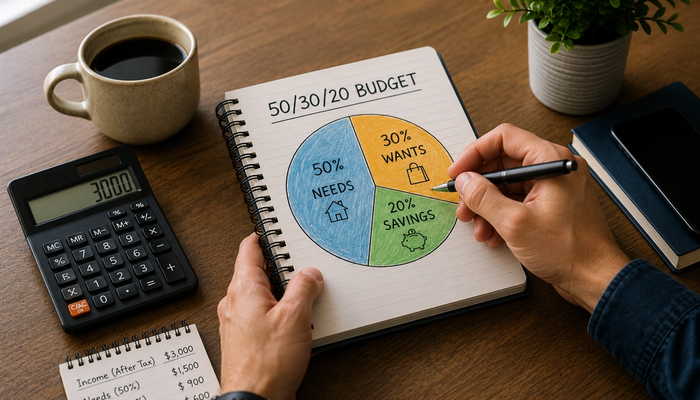
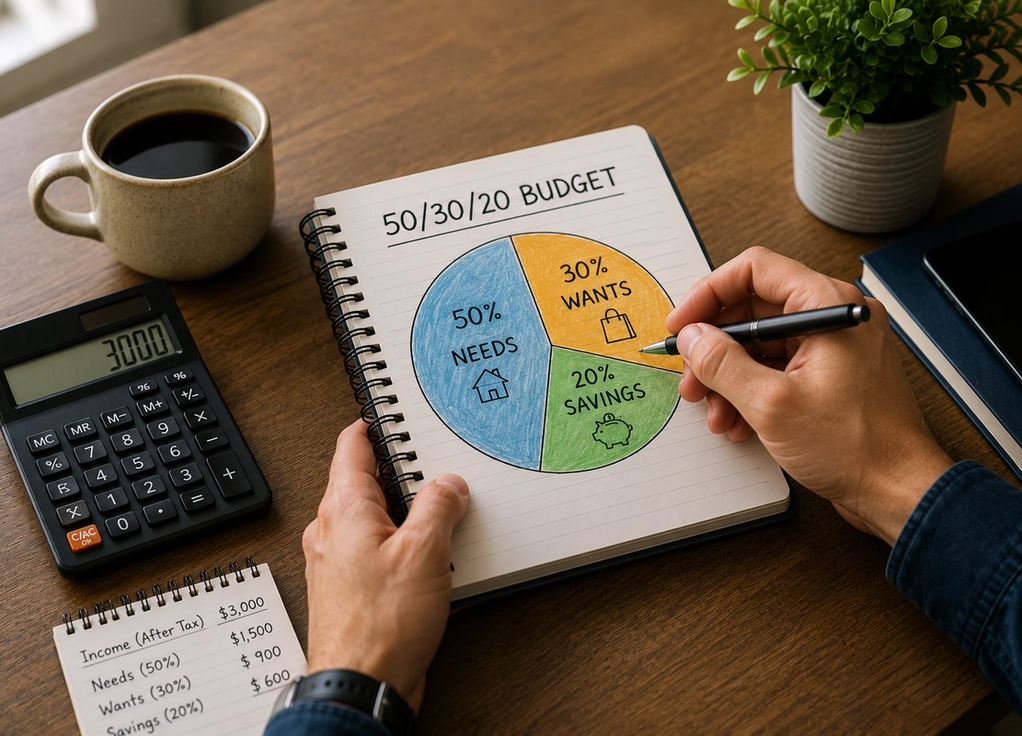
The 50/30/20 budget is a guideline for allocating your after-tax income.
According to the rule:
- 50% goes toward needs
- 30% goes toward wants
- 20% goes toward savings and debt repayment
The idea is to create a balanced financial plan that covers essential expenses, allows room for enjoyment, and ensures progress toward future financial goals.
For example, if your monthly take-home income is $3,000:
- $1,500 would be allocated to needs
- $900 would be allocated to wants
- $600 would be allocated to savings or debt reduction
The exact amounts will vary based on income, but the percentages remain the same.
Understanding your needs
Needs are the expenses required to maintain your basic standard of living.
These typically include housing, utilities, groceries, transportation, insurance, healthcare, and minimum debt payments. In other words, these are the costs you would still need to cover even if you were trying to spend as little as possible.
One common mistake is labeling every recurring expense as a need. Just because you pay for something every month doesn’t necessarily make it essential.
The goal is to separate true necessities from discretionary spending so you have a clearer picture of where your money is going.
Understanding your wants
The 30% category covers the things that make life more enjoyable but aren’t strictly necessary.
This might include dining out, entertainment, streaming services, hobbies, travel, shopping, gym memberships, subscriptions, and other lifestyle expenses.
Many people assume budgeting means eliminating these purchases entirely. The 50/30/20 method takes a different approach. It recognizes that enjoyment is an important part of life and intentionally creates space for it within the budget.
By allocating a specific percentage to wants, you can spend on things you enjoy without feeling guilty or undermining your financial goals.
The importance of the savings category
The final 20% is often the most important part of the framework because it focuses on your future.
This category includes building an emergency fund, investing for retirement, saving for major purchases, contributing to investment accounts, or making additional debt payments beyond required minimums.
Many people prioritize saving only after covering every other expense. The problem with that approach is that there is often little left over at the end of the month.
The 50/30/20 budget treats saving as a priority rather than an afterthought. By consistently allocating a portion of income toward long-term goals, you gradually build financial security over time.
Why people like this budgeting method
One reason the 50/30/20 rule remains popular is its simplicity.
Unlike highly detailed budgets that require constant monitoring, this approach focuses on broader spending categories. That makes it easier to follow, especially for people who dislike tracking every individual purchase.
The system also provides flexibility. You don’t need to stop buying coffee, cancel every subscription, or account for every dollar. Instead, you focus on whether your overall spending aligns with your priorities.
For many people, this makes budgeting feel more sustainable and less restrictive.
When the rule may need adjusting
Although the 50/30/20 budget is a useful starting point, it isn’t realistic for every situation.
In areas with high housing costs, essential expenses may exceed 50% of income. People paying off significant debt may choose to allocate more than 20% toward financial goals. Others may temporarily reduce spending on wants while saving for a major purchase.
The percentages are guidelines rather than rigid rules.
The most effective budget is the one that reflects your actual circumstances while helping you make progress toward your goals.
Focus on progress, not perfection
Many people abandon budgets because they believe every month must be perfect.
In reality, unexpected expenses, emergencies, holidays, and life events will occasionally disrupt even the best financial plans. That doesn’t mean the system has failed.
The purpose of a budget is not perfection. It’s awareness.
Having a framework helps you make more intentional decisions about money and ensures that your spending aligns with what matters most to you.
Even small improvements can have a significant impact over time.
A simple framework for smarter spending
The 50/30/20 budget isn’t a magic formula, but it offers something many financial strategies lack: simplicity.
By dividing your income between needs, wants, and savings, you create a balanced approach that supports both present enjoyment and future security. It encourages responsible spending without demanding extreme sacrifices or complicated calculations.
Whether you’re new to budgeting or simply looking for a more manageable system, the 50/30/20 rule provides an easy starting point.
Sometimes the most effective financial plan is not the most complicated one—it’s the one you’ll actually stick with.