The Daily Habits of People Who Always Seem Calm
By
Vance Byrd
July 21, 2026
Latest
We all know someone who seems calm no matter what’s happening around them.
Deadlines pile up, plans change unexpectedly, problems appear out of nowhere, and yet they somehow remain steady. They aren’t rushing constantly, they don’t appear overwhelmed by every inconvenience, and they rarely seem consumed by stress.
At first glance, it can seem like these people were simply born with a calmer personality.
In reality, calmness is often less about personality and more about habits. The people who appear calm most of the time usually make daily choices that help them manage stress before it becomes overwhelming. They still experience pressure, frustration, and difficult emotions—they just tend to respond differently.
While nobody is calm all the time, certain habits can make it much easier to maintain a sense of balance throughout the day.
They don’t start the day in a rush
Many people begin their mornings by immediately checking notifications, answering emails, or rushing from one task to the next.
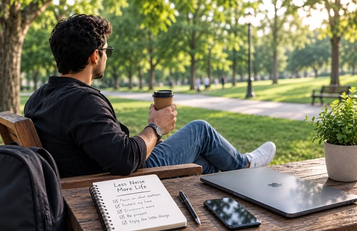
People who seem consistently calm often create a slower and more intentional start to the day. This doesn’t necessarily mean waking up hours earlier or following a complicated morning routine. It may be as simple as drinking coffee without distractions, taking a short walk, stretching, reading, or spending a few quiet minutes planning the day ahead.
Starting the day with intention can create a sense of control that carries into everything that follows.
When the morning feels less chaotic, the rest of the day often feels more manageable as well.
They focus on what they can control
One of the fastest ways to increase stress is to obsess over things outside your control.
Calm people tend to direct their attention toward actions they can actually influence. Instead of spending hours worrying about other people’s decisions, unexpected delays, or uncertain future events, they focus on what they can do in the present moment.
This mindset doesn’t eliminate problems, but it reduces the amount of mental energy wasted on situations that cannot be changed.
Accepting uncertainty often creates more peace than trying to eliminate it.
They take breaks before they need them
Many people wait until they’re exhausted to rest.
Those who seem calmer often approach recovery differently. Rather than pushing themselves until they reach their limit, they build small moments of recovery into their day.
This might involve stepping away from a screen, taking a short walk, stretching, getting fresh air, or simply pausing for a few minutes between tasks.
These breaks may seem insignificant, but they help prevent stress from accumulating throughout the day.
Consistent recovery tends to be more effective than occasional burnout followed by extended rest.
They don’t treat every problem like an emergency
When everything feels urgent, stress becomes unavoidable.
Calm people are often skilled at distinguishing between genuine emergencies and everyday inconveniences. A delayed email, a minor mistake, or an unexpected change of plans may be frustrating, but they don’t automatically require panic.
This ability to keep problems in perspective helps reduce unnecessary stress.
Not every challenge deserves the same emotional response.
Learning to ask, “Will this matter in a week, a month, or a year?” can often provide valuable perspective in stressful moments.
They protect their attention
Modern life constantly competes for attention.
Notifications, messages, news updates, social media feeds, and endless streams of information can make it difficult to focus and easy to feel overwhelmed. People who seem calm often set boundaries around what they allow into their mental space.
They may limit notifications, avoid constantly checking their phones, or create periods of uninterrupted focus throughout the day.
Protecting attention helps reduce mental clutter and creates more room for clear thinking.
Calmness often grows in environments with fewer distractions.
They maintain supportive relationships
Stress becomes heavier when carried alone.
People who remain relatively calm often invest time in relationships that provide support, perspective, and connection. Whether it’s family, friends, colleagues, or community groups, these relationships create opportunities to share challenges and feel understood.
Strong social connections can act as a buffer against stress.
Knowing that support is available often makes difficult situations feel more manageable, even before anyone offers practical help.
Human connection remains one of the most effective tools for maintaining emotional well-being.
They make time for things they enjoy
One common misconception is that calm people simply have fewer responsibilities.
In reality, many have demanding jobs, busy schedules, and significant obligations. The difference is that they often make space for activities that help them recharge.
This might include exercise, reading, hobbies, gardening, music, cooking, spending time outdoors, or any activity that creates enjoyment and relaxation.
These moments are not viewed as luxuries.
They are treated as important parts of maintaining balance.
Enjoyment is often an essential component of resilience.
They accept that stress is part of life
Perhaps the most important habit is that calm people don’t expect life to be stress-free.
Instead of fighting every uncomfortable emotion, they accept that challenges, setbacks, and uncertainty are normal parts of being human. This acceptance often reduces the additional stress created by resisting reality.
Calmness doesn’t come from avoiding difficulty.
It comes from developing the ability to navigate difficulty without being consumed by it.
That distinction makes a significant difference.
Calmness is built through daily choices
The people who always seem calm are rarely free from problems.
They simply tend to approach life in ways that reduce unnecessary stress and support emotional balance. Through intentional mornings, healthy boundaries, regular recovery, meaningful relationships, and realistic expectations, they create habits that help them stay grounded even when life becomes demanding.
These habits may seem small individually, but their effects accumulate over time.
Because calmness is not usually the result of one big decision.
It’s often the result of many small decisions repeated every day.