How to Live Below Your Means Without Feeling Deprived
By
Adaline Brock
July 21, 2026
Latest
“Live below your means” is one of the most common pieces of financial advice you’ll hear.
On the surface, the concept seems simple: spend less than you earn. Yet for many people, those words bring to mind a life of constant sacrifice, saying no to everything enjoyable, and obsessively tracking every dollar.
It’s no surprise that the advice often feels unappealing.
The reality is that living below your means doesn’t have to feel restrictive. In fact, when done well, it can create more freedom, less stress, and greater flexibility in the long run. The goal isn’t to make life smaller. It’s to make your finances stronger.
The key is learning how to spend intentionally rather than simply spending less.
Focus on what matters most
One reason budgeting feels restrictive is that people often try to cut spending across every area of their lives.
A more sustainable approach is to identify what genuinely matters to you and spend confidently in those areas while reducing spending on things that add little value.
For one person, that might mean travel. For another, it could be dining out, fitness, hobbies, or experiences with family and friends.
Living below your means doesn’t require eliminating enjoyment. It requires prioritizing it.
When spending aligns with your values, financial decisions tend to feel less like sacrifices and more like choices.
Avoid lifestyle inflation
One of the biggest obstacles to building wealth is lifestyle inflation.
As income increases, spending often rises alongside it. A raise leads to a more expensive apartment, a newer car, additional subscriptions, or higher monthly expenses. Over time, people earn more money but never feel financially ahead.
Living below your means involves resisting the urge to automatically upgrade every aspect of your life whenever your income grows.
This doesn’t mean never improving your lifestyle. It means being selective about which upgrades truly improve your quality of life.
Keeping some expenses stable as income rises can dramatically improve financial security over time.
Learn the difference between happiness and consumption
Modern marketing is extremely effective at convincing people that buying something will improve their lives.
Sometimes it does. Often it doesn’t.
Many purchases provide only temporary satisfaction before becoming part of the background of everyday life. Experiences, relationships, health, and personal growth frequently contribute more to long-term happiness than accumulating additional possessions.
Understanding this distinction can make it easier to spend less without feeling deprived.
The goal isn’t to avoid spending money. It’s to spend on things that create lasting value rather than short-lived excitement.
Create room for guilt-free spending
One mistake people make when trying to save money is eliminating all discretionary spending.
This approach often works temporarily before becoming unsustainable.
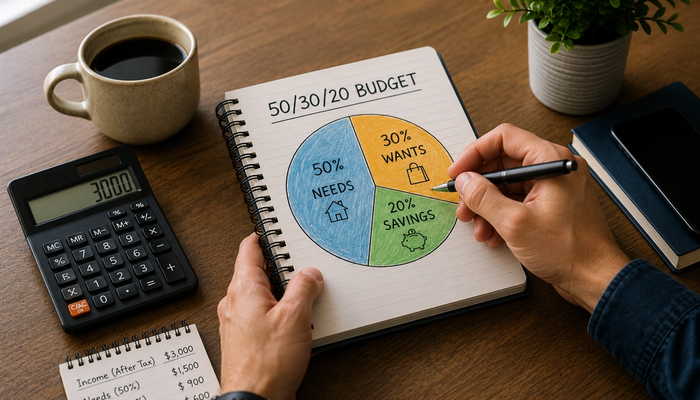
A healthier strategy is to intentionally set aside money for enjoyment. Whether it’s coffee, entertainment, hobbies, travel, or dining out, having a designated amount for personal spending allows you to enjoy life without undermining your financial goals.
Financial discipline becomes much easier when it includes flexibility.
A budget that allows for enjoyment is usually more sustainable than one built entirely around restriction.
Stop comparing your lifestyle to others
Comparison is one of the fastest ways to feel deprived.
Social media makes it easy to see vacations, new homes, luxury purchases, and seemingly perfect lifestyles. What it doesn’t show are the financial realities behind those decisions.
People may be carrying debt, living paycheck to paycheck, or prioritizing appearances over financial stability.
Living below your means becomes much easier when you stop measuring your life against someone else’s highlight reel.
Financial success is personal. It depends on your goals, values, and priorities—not on keeping up with others.
Appreciate the freedom money provides
Many people focus on what saving money prevents them from doing.
A more useful perspective is to focus on what it allows them to do.
Financial stability can provide:
- Greater peace of mind
- More career flexibility
- The ability to handle emergencies
- Opportunities to travel
- Earlier retirement options
- Reduced financial stress
In other words, money saved today often creates choices tomorrow.
Viewing savings as a source of freedom rather than deprivation can completely change your relationship with money.
Make small changes instead of drastic ones
Extreme financial changes are rarely sustainable.
Cutting every expense overnight may produce quick results, but it often leads to frustration and burnout. Small adjustments tend to be easier to maintain over time.
Examples might include:
- Cooking at home a few more times each week
- Reducing unused subscriptions
- Waiting before making impulse purchases
- Choosing less expensive alternatives in certain categories
These changes may seem minor individually, but they can have a meaningful impact when repeated consistently.
Financial progress is usually built through habits rather than dramatic sacrifices.
Build a life you don’t need to escape from
One reason people overspend is that they use purchases as a way to compensate for stress, boredom, or dissatisfaction.
While occasional treats are perfectly normal, relying on spending for happiness can become expensive and unsatisfying.
Developing meaningful hobbies, strong relationships, fulfilling work, and enjoyable routines often reduces the desire for unnecessary spending.
When life feels rich in other ways, financial restraint becomes much easier.
The goal isn’t simply spending less. It’s creating a life that feels good without constantly requiring new purchases.
Financial freedom feels better than constant consumption
Living below your means is often portrayed as a life of limitation.
In reality, it can be a path toward greater freedom, flexibility, and peace of mind. The most successful approach isn’t about cutting everything enjoyable from your life. It’s about spending intentionally, avoiding unnecessary financial pressure, and prioritizing what truly matters.
When your spending reflects your values rather than external expectations, living below your means becomes far more sustainable.
Because in the end, the goal isn’t to have less.
It’s to need less—and still feel like you have enough.